Blog
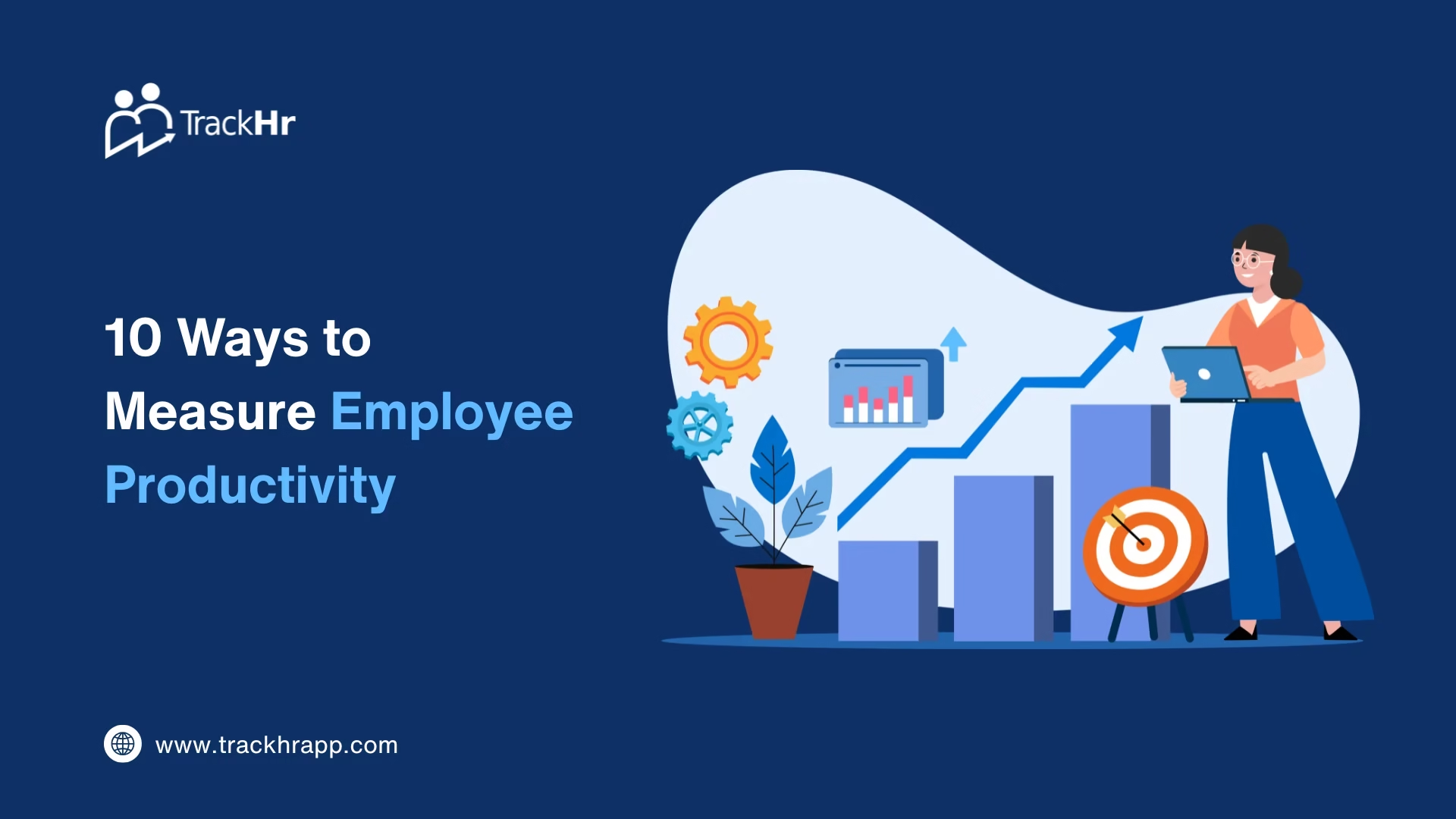
10 Ways to Measure Employee Productivity
- March 19, 2026
- 11:35 am
The productivity of employees is very important to the success of any organization. Companies that are able to properly quantify productivity get a good understanding of how well the employees perform, how well the business runs, and the overall growth of the business.
The measurement of productivity is not, however, only about the number of hours worked. In modern organizations, the emphasis is on output, efficiency, collaboration, and performance measures to determine the effectiveness of employees in achieving the business objectives.
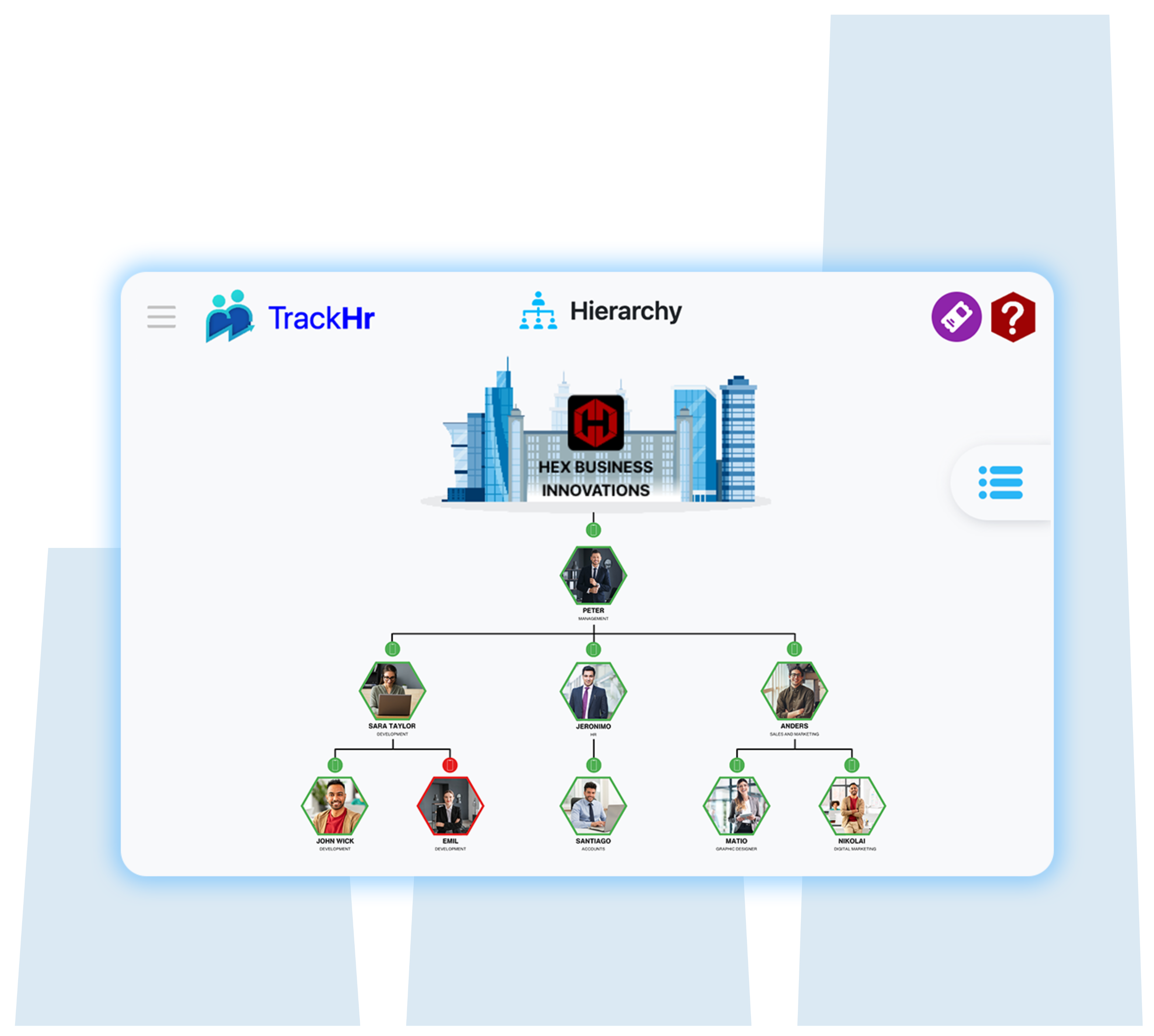
Companies can monitor productivity data, trends in performance, and streamline their workflows with the help of workforce management tools such as TrackHr.
Employee productivity can be measured at the workplace in 10 effective ways, as illustrated here.
1. Set Clear Goals and KPIs
The defining of clear goals and Key Performance Indicators (KPIs) is one of the most efficient approaches to measuring productivity.
KPIs assist the organization in measuring the performance of the employees against the set targets. Such objectives may be sales objectives, deadlines on project completion, customer satisfaction, or completion rates of tasks.
It is easier to monitor the progress and measure productivity when the employees are made aware of their objectives.
2. Track Task Completion Rates
A simple yet effective productivity measure is the rate of task completion.
Productivity can be measured by managers through an analysis of:
- Number of tasks completed
- Time taken to complete tasks
- Percentage of timely tasks done.
The increased task completion rates usually reflect the increased productivity and the effective management of the working process.
3. Measure Output vs Time Spent
Companies should not be measuring the hours used alone, but the result or the output that was achieved within the time.
For example:
- Sales closed per day
- Projects completed per week
- Number of customer tickets that were resolved per hour.
The approach can be used to ascertain whether employees are applying their time wisely.
4. Use Time Tracking Tools
Tracking software will give precise information on how workers spend their work hours.
These tools assist organizations to:
- Monitor working hours
- Determine the hours spent on the tasks or projects.
- Identify productivity bottlenecks.
The management software of the modern workforce performs time tracking and gives a detailed report on productivity.
5. Analyze Quality of Work
The quantity of productivity that is measured should be based on quality output as well as quantity.
Once employees deliver quality work, they are always prepared to add value to the organization.
To measure the quality of work, they may include:
- Error rates
- Customer feedback
- Project success rates
- Client satisfaction scores
Productive and motivated employees tend to be engaged.
Engagement can be measured by organizations in:
- Employee feedback surveys
- Participation in meetings
- Team levels of collaboration.
- Recognition and rewards programs.
The high level of engagement can result in a higher level of productivity.
The levels of productivity can also be seen in the regular attendance and regular work patterns.
Attendance monitoring aids companies to determine:
- Absenteeism patterns
- Late arrivals
- Overtime trends
Productivity analysis can get valuable data with the help of the attendance management tools.
In a lot of contemporary workplaces, productivity relies on the successful harmonisation of the team members.
Measures of collaboration that businesses can analyze are:
- Communication frequency
- Task dependencies
- Project team work performance.
When teamwork is strong, it tends to see to it that the project is completed rapidly and with a high degree of productivity.
One of the key indicators of the productivity of employees is the ability to meet deadlines.
Managers can track:
- Project delivery timelines
- Percentage of timely project delivery.
- Slackness and congestion in project implementation.
Punctuality is an indicator of good working management.
10. Use Performance Management Software
The use of performance management software to track productivity is based on data-driven insights used by modern organizations.
These systems will assist businesses:
- Monitor the performance indicators of employees.
- Produce productivity reports.
- Monitor goal progress
- Define areas of improvement.
Productivity tracking is combined with the functions of HR, such as attendance, performance management, and employee analytics, in platforms such as TrackHr.
Benefits of Measuring Employee Productivity
Productivity measurement assists organizations in enhancing their performance in the workforce as well as operational efficiency.
1. Improved Decision Making
Managers are able to make evidence-based choices on promotions, training, and allocation of resources.
2. Better Workforce Planning
Productivity data assists companies in distributing duties in a better way.
3. Higher Employee Engagement
Well-defined productivity indicators help to keep employees focused.
4. Increased Business Efficiency
Organizations get the opportunity to determine the inefficiencies and enhance the workflow processes.
Frequently Asked Questions (FAQs)
1. What is employee productivity?
Employee productivity refers to the efficiency with which employees complete tasks and contribute to business goals.
2. How can companies measure employee productivity?
Companies can measure productivity using metrics such as task completion rate, output per hour, goal achievement, time tracking, and performance reviews.
3. Why is measuring productivity important?
Measuring productivity helps organizations identify performance gaps, improve efficiency, and make better business decisions.
4. What tools help measure employee productivity?
Workforce management and performance management tools like TrackHr help track productivity, monitor employee performance, and generate detailed reports.
5. How can businesses improve employee productivity?
Businesses can improve productivity by setting clear goals, providing regular feedback, offering training opportunities, and using productivity tracking software.
Conclusion
Employee productivity is vital to measure in businesses intending to improve their performance and attain success in the long run. With effective productivity measures and online tools, companies will be able to acquire new insights into the effectiveness of the workforce.
Goal tracking, task monitoring, time tracking, and performance analytics are some of the methods that would enable companies to check and determine the productivity of employees.
Having such sophisticated workforce management solutions as TrackHr, businesses can track productivity, streamline the working process, and develop a better and more productive workplace.
Exhausted from managing performance management manually?