
Blog
Top Expense Management Software for Small Business
- March 27, 2026
- 10:53 am
Efficient cost management of a business is essential to any small business that wants to contain costs, enhance cash flow, and expand business operations. In 2026, contemporary expense management applications will assist in the automated process of expense tracking, approvals, and real-time financial information.
Businesses are moving away from using spreadsheets and manual processing and are going to digital tools that are capable of receipt capturing, spending tracking, and relationship to accounting systems.
We discuss TrackHr and the most appropriate expense management software for small businesses in this guide.
1. TrackHr – Smart Expense Management Solution
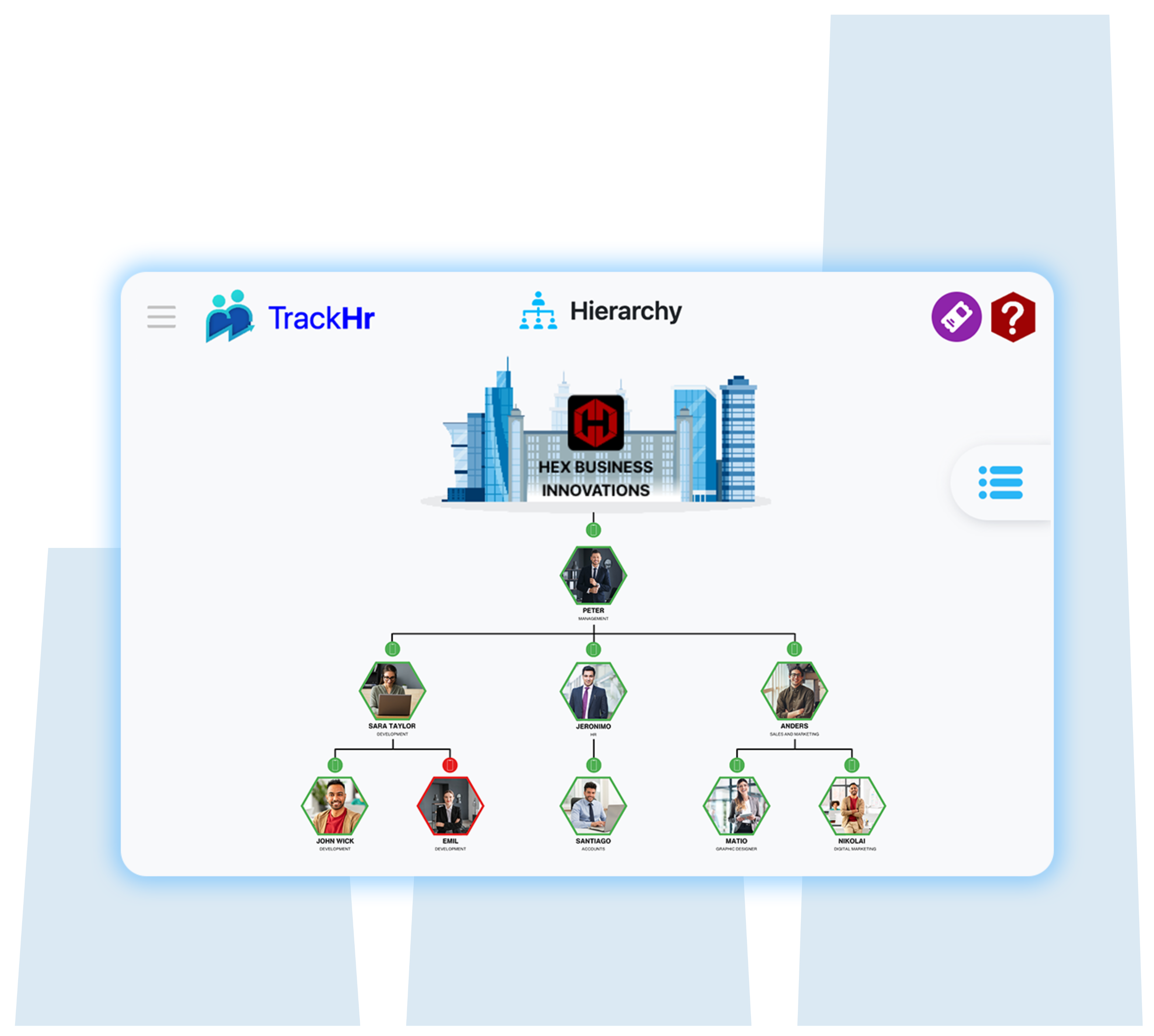
TrackHr is a single workforce management tool that also provides businesses with excellent expense tracking features.
Key Features
- Employee expense tracking
- Reimbursement approval workflows.
- Payroll/attendance integration.
- Real-time reports and analytics.
- Mobile-based expense entry
- Consolidated human resource and financial information.
Best For
Startups, SMEs and companies that seek an all-inclusive HR + expense management system.
Why Choose TrackHr
TrackHr is unique in the sense that it integrates cost management with HR services, therefore enabling the company to manage employee costs, attendance, payroll, and performance within the same platform. This saves on the use of several tools and enhances efficiency.
2. Zoho Expense
Zoho Expense is a small business popular tool, particularly in India.
Key Features
- Automated receipt scanning
- Expenses that are calculated in GST.
- Multi-level approval processes.
- To be integrated with the Zoho ecosystem.
Best For
Small enterprises that seek a cheap and user-friendly option.
3. Expensify
Expensify is an effective tool for managing expenses and is reputable due to automation and mobile functionality.
Key Features
- Smart receipt scanning
- Automatic expense reports
- Real-time approvals
- Travel and mileage tracking
Best For
Startups and small teams.
4. QuickBooks Online
QuickBooks is an end-to-end accounting solution that has built-in expense tracking capabilities.
Key Features
- Expense categorization
- Bank and card integration
- Financial reporting
- Tax-ready data
Best For
Companies interested in managing expenses as well as accounting.
5. Ramp
Ramp is a new spend management application targeting start-ups and emerging businesses.
Key Features
- Real-time expense tracking
- Corporate card controls
- Computerized cost classifications.
- Spend analytics
Best For
Cost optimization enterprises.
Rydoo is a worldwide expense management solution that is suitable for companies that spend a lot of money on traveling.
Key Features
- Receipt scanning
- Multi-currency support
- Mileage tracking
- Compliance tools
Best For
Companies that are internationally based.
Fyle is an expense platform targeted at modern teams that is India-oriented.
Key Features
- Real-time expense tracking
- Credit card integration
- Automated costs classification.
- It will incorporate communication tools.
Best For
Startups and mid-sized companies in India.
Emburse has advanced compliance and expense automation.
Key Features
- Receipt capture
- Policy enforcement
- Multi-level approvals
- Reporting tools
Best For
Organisations that require high compliance requirements.
SAP Concur is a solution of expenses management at the enterprise level.
Key Features
- There is travel and expense integration.
- Advanced reporting
- Policy compliance
- Global scalability
Best For
Huge and growing companies.
Key Features to Look for in Expense Management Software
1. Automation
Automates receipt taking and expense type.
2. Integration
Rapidly integrates with payroll and accounting systems.
3. Real-Time Reporting
Gives information on the expenditure in a company.
4. Approval Workflows
Provides adequate management of costs.
6. Mobile Access
Enables the employees to post expenses at any time.
Benefits of Using Expense Management Software
1. Improved Accuracy
Minimizes manual mistakes in the tracking of expenses.
2. Time Savings
Automates the approval and repetitive jobs.
3. Better Financial Control
Gives live visibility to spending.
4. Faster Reimbursements
Makes the approval and payment quicker.
5. Compliance and Transparency
Assures that policy is followed and well-documented.
How to Choose the Right Software
In identifying expense management software:
- Determine what you need in business.
- Check integration facilities.
- Consider scalability
- Evaluate ease of use
- Compare pricing
Frequently Asked Questions (FAQs)
1. What is expense management software?
It is software that helps businesses track, manage, and control employee expenses efficiently.
2. Which is the best expense management software for small businesses?
TrackHr, Zoho Expense, Expensify, and QuickBooks are among the top choices.
3. Why should businesses use expense management software?
It improves accuracy, saves time, ensures compliance, and provides better financial visibility.
4. Is TrackHr suitable for expense management?
Yes, TrackHr offers integrated expense tracking along with HR features, making it ideal for growing businesses.
5. Can expense management software integrate with payroll?
Yes, most modern tools integrate with payroll and accounting systems for seamless financial management.
Conclusion
Small businesses that are keen on cost management and to enhance efficiency require expense management software. When companies automate expense tracking and reporting, they can make sound financial decisions and decrease the volume of manual work.
TrackHr, Zoho Expense, Expensify, QuickBooks, Ramp, Rydoo, Fyle, Emburse, and SAP Concur are some of the most suitable solutions in 2026.
The selection of the appropriate tool will largely be determined by your business needs; however, a platform such as TrackHr has a huge benefit, since it integrates your HR and expense management under a single system.
Exhausted from managing performance management manually?