Blog
Why AI Is the Future of Workforce Management in 2026
- June 1, 2026
- 11:28 am
Having to handle attendance, staff performance, and payroll separately can make it difficult for businesses. Manual tasks can result in data inaccuracies, late payroll, inconsistent performance management, and a decrease in productivity.
That’s where Artificial Intelligence (AI) is changing the future of Workforce Management (WFM). Employees can benefit from AI-driven workforce management solutions by streamlining repetitive tasks, providing data-driven insights for informed decision-making, boosting productivity, and optimizing overall operations.
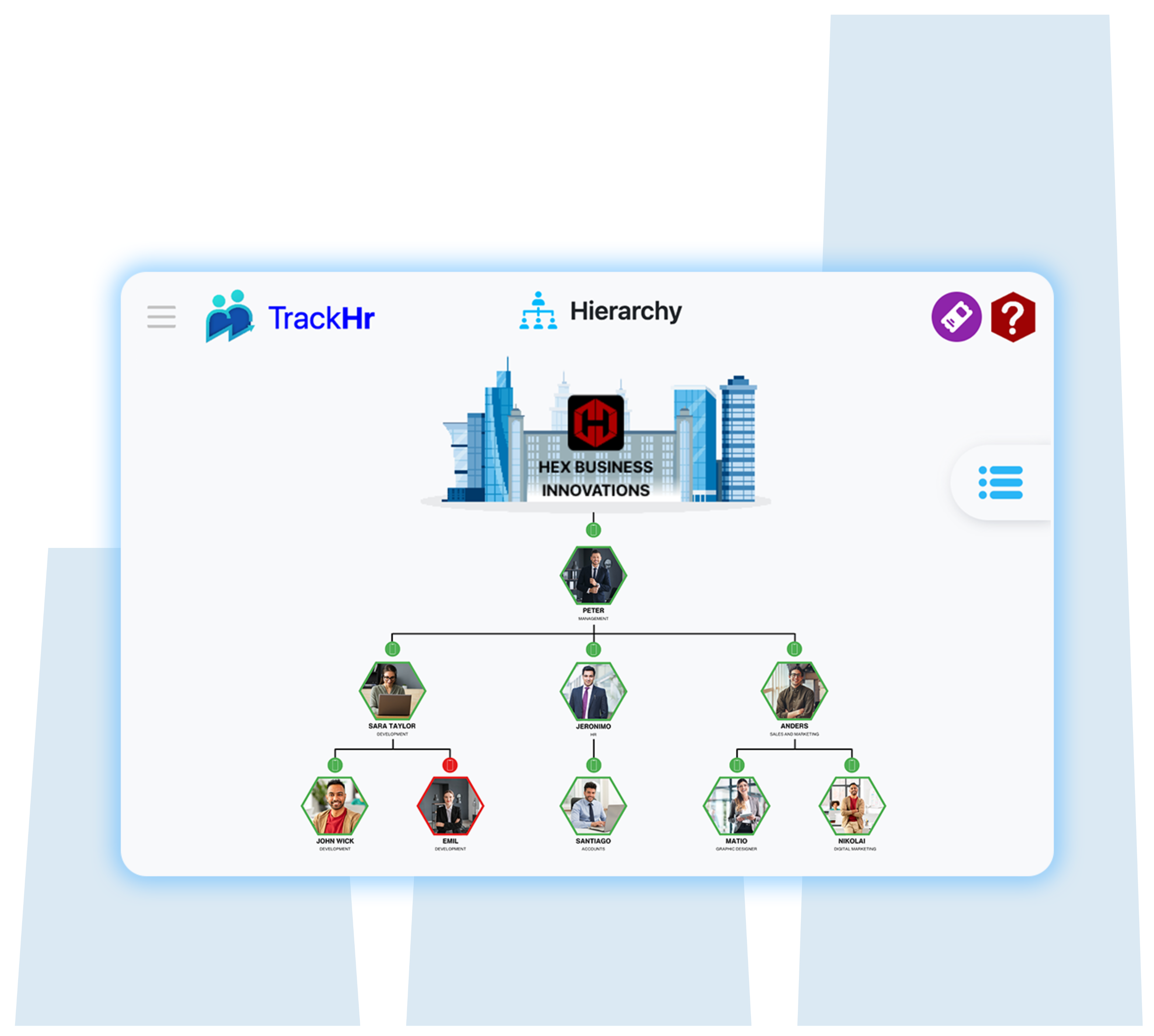
For instance, many platforms, such as TrackHr, are at the forefront of such a shift and incorporate AI features into attendance, performance management, payroll, employee tracking, and work management systems.
What Is AI Workforce Management?
AI workforce management relates to the automation, optimization, and enhancement of various workforce-related processes through the power of AI technologies. These technologies use employee data to detect patterns, forecast trends, and offer managers and HR teams actionable insights.
AI assists companies in being reactive to proactive in workforce management.
Why Traditional Workforce Management Is No Longer Enough
Numerous companies continue to use spreadsheets, paper attendance, and disjointed HR systems. This old technique poses a few problems:
- Inaccuracies resulting from human mistakes in attendance and payroll calculations.
- No insight into employee productivity
- Time-consuming administrative tasks
- Leftover / shift inefficiencies
- Issues with tracking remote workers and staff in the field
- Delayed performance reviews
These challenges can be even more critical as businesses expand. AI addresses these challenges by streamlining processes and delivering real-time information.
How AI Is Transforming Workforce Management
1. Automated Attendance Management
An AI-based attendance solution can automatically capture employee attendance, hours worked, overtime, shifts, etc.
Benefits include:
- Eliminates manual data entry
- Accurate attendance records
- Real-time attendance monitoring
- Automated absence detection
- A seamless integration with payroll, allowing for easy data flow.
TrackHr’s Attendance Management System enables organizations to avoid attendance inaccuracies and build transparency.
2. Smarter Performance Management
Annual evaluations are not particularly helpful. AI constantly processes employee performance data and looks for trends.
AI-supported performance management systems can aid:
- Track KPIs automatically
- Measure employee productivity
- Identify top performers
- Identify performance weaknesses at an early stage
- Enable continuous feedback
TrackHr’s Performance Management System allows companies to fairly assess staff performance and to take actions based on facts.
3. Intelligent Payroll Processing
Payroll mistakes may have a detrimental effect on staff member satisfaction and business compliance.
AI simplifies payroll management by:
- Automating salary calculations
- Tracking overtime accurately
- Assisting with deductions and allowances.
- Reducing payroll errors
- Ensuring compliance with labor regulations.
This frees up HR teams from routine tasks to concentrate on strategic initiatives
4. Real-Time Employee Location Tracking
Getting on top of field workers can be hard without insight into their actions.
AI-powered employee tracking solutions provide:
- Real-time location updates
- Route optimization
- Geo-fencing capabilities
- Field attendance records that are accurate.
- Enhanced workforce accountability
TrackHr’s Employee Location Tracking feature is designed to aid companies in effectively managing their field staff and enhancing productivity.
5. Predictive Workforce Analytics
Predicting the future of anything is one of the best things about Artificial Intelligence.
AI can aid businesses in predicting:
- Employee turnover risks
- Workforce demand
- Staffing requirements
- Productivity trends
- Performance outcomes
These predictions enable businesses to make informed decisions ahead of time and prevent costly disruptions in their workforce.
6. Better Leave Management
Manually dealing with employee leave requests can result in delays and confusion.
AI-powered leave management systems can:
- Automate leave approvals
- Detect leave patterns
- Prevent staffing shortages
- Improve workforce planning
- To keep accurate leave records.
This will make it easier for the employees and HR teams alike.
7. Enhanced Employee Productivity Monitoring
AI assists managers in gaining insights into employee time and potential areas for improvement.
The Productivity monitoring features include:
- Task tracking
- Work report analysis
- Productivity scoring
- Time utilization insights
- Goal achievement tracking
The Employee Work Report feature in TrackHr enables companies to monitor production and optimise their employees’ effectiveness.
Key Benefits of AI Workforce Management
1. Increased Efficiency
AI can automate repetitive HR functions, saving HR teams hours of administrative work and enabling them to concentrate on strategic initiatives.
2. Improved Accuracy
Automated systems reduce the likelihood of human mistakes for attendance, payroll, leave, and reporting.
3. Better Decision-Making
AI generates data-driven insights, enabling managers to make informed decisions regarding their workforce.
4. Higher Employee Satisfaction
Payroll, performance monitoring, and HR processes are more accurate and transparent, enhancing employee experience.
5. Cost Savings
AI minimizes manual tasks and enhances productivity, thereby cutting down on business operations.
Why Businesses Are Investing in AI Workforce Management
Due to the complexity of workforce management, companies are turning to AI in various industries. Businesses are increasingly adopting hybrid work, remote teams, field employees, and evolving compliance needs, requiring smarter solutions.
AI-based workforce management solutions provide a multitude of benefits for businesses:
- Competitive advantages
- Better employee engagement
- Higher productivity
- Improved operational efficiency
- Faster business growth
Firms that don’t transform to the digital world are falling behind in meeting evolving employee expectations.
How TrackHr Uses AI to Simplify Workforce Management
TrackHr aims to empower businesses with intelligent HR solutions by automating and optimizing workforce processes.
Key features include:
- Attendance Management System
- Performance Management System
- Payroll Management
- Leave Management System
- Employee Location Tracking
- Employee Work Reports
- Meeting Management
- Gate Pass Management
- Field Staff Monitoring
These tools are all made available in one platform to help organizations become more efficient in managing their workforce and more productive and accountable.
The Future of Workforce Management Is AI
The use of Artificial Intelligence is not a future idea, but it is already changing the way organizations manage their employees. AI-driven workforce management solutions are designed to boost productivity, optimize decision-making, streamline processes, and enhance employee satisfaction. AI-powered WFM tools can improve decision-making, boost productivity, streamline processes, and create a better employee experience.
With the changing nature of workforce challenges, AI-powered solutions such as TrackHr are set to become vital tools for organizations to remain competitive, agile, and efficient.
Making a well-informed investment in artificial intelligence workforce management today translates to a smarter, more productive workplace tomorrow.
Common Challenges Solved by AI Integration
Solve problems with AI-powered:
- Attendance fraud
- Payroll inaccuracies
- Delayed salary processing
- Inconsistent performance evaluations
- Manual reporting inefficiencies
Future of AI-Powered Workforce Management in 2026
The integration of the workforce will be:
- Predictive workforce analytics
- AI-driven payroll optimization
- Smart productivity recommendations
- Advanced employee engagement insights
- Self-service HR systems.
The businesses implementing AI-enabled workforce solutions will be at a huge competitive edge today.
Frequently Asked Questions (FAQs)
1. What is AI workforce management?
AI workforce management uses artificial intelligence to automate and optimize HR processes such as attendance tracking, payroll, performance management, employee monitoring, and workforce planning.
2. How does AI improve employee productivity?
AI analyzes work patterns, tracks performance metrics, identifies productivity gaps, and provides actionable insights that help employees and managers improve efficiency.
3. Can AI reduce payroll errors?
Yes. AI automates payroll calculations, attendance synchronization, overtime tracking, and deductions, significantly reducing payroll mistakes.
4. Is AI workforce management suitable for small businesses?
Absolutely. Small businesses can benefit from improved efficiency, reduced administrative workload, better employee tracking, and cost savings through AI-powered workforce management solutions.
5. How does TrackHr support AI workforce management?
TrackHr offers attendance management, performance tracking, payroll management, leave management, employee location tracking, and work reporting tools that help businesses automate workforce operations and improve productivity.
Exhausted from managing performance management manually?